Back to The Trail

10 Hidden Gems in Wayanad Locals Don't Tell Tourists

Past Edakkal Caves and Chembra Peak, Wayanad keeps a quieter list of places — a tea shop above a misty valley, a temple deep inside a coffee plantation, a waterfall you reach by following a goat track. Ten places we asked locals to mark on the map.

RR
rutme userFounder · RutMe

Most lists you find online for Wayanad copy-paste the same five places — Edakkal Caves, Chembra Peak, Banasura Sagar, Pookode Lake, Soochipara Falls. They're all worth visiting. But spend a few days driving the back roads with a local, and you start hearing about places that don't make the lists. A tea shop with no name above a fog bank. A temple inside a coffee estate. A waterfall you reach by leaving the road and following a goat path for ten minutes.

This guide is built from those conversations. Over four trips and dozens of late-night conversations with homestay owners, guides, jeep drivers, and the men who run roadside tea stalls, I asked the same question: "If a friend visited and only had three days, where would you actually take them?"

What follows are the ten answers that came up most. None are secret — locals know them. But you won't find most of them in the first ten Google results, and that's the point.

"Show your friends Edakkal in the morning if you must, but make sure you take them to Phantom Rock for sunrise. That's the one they'll talk about for years."

— Suresh, jeep driver, Sulthan Bathery

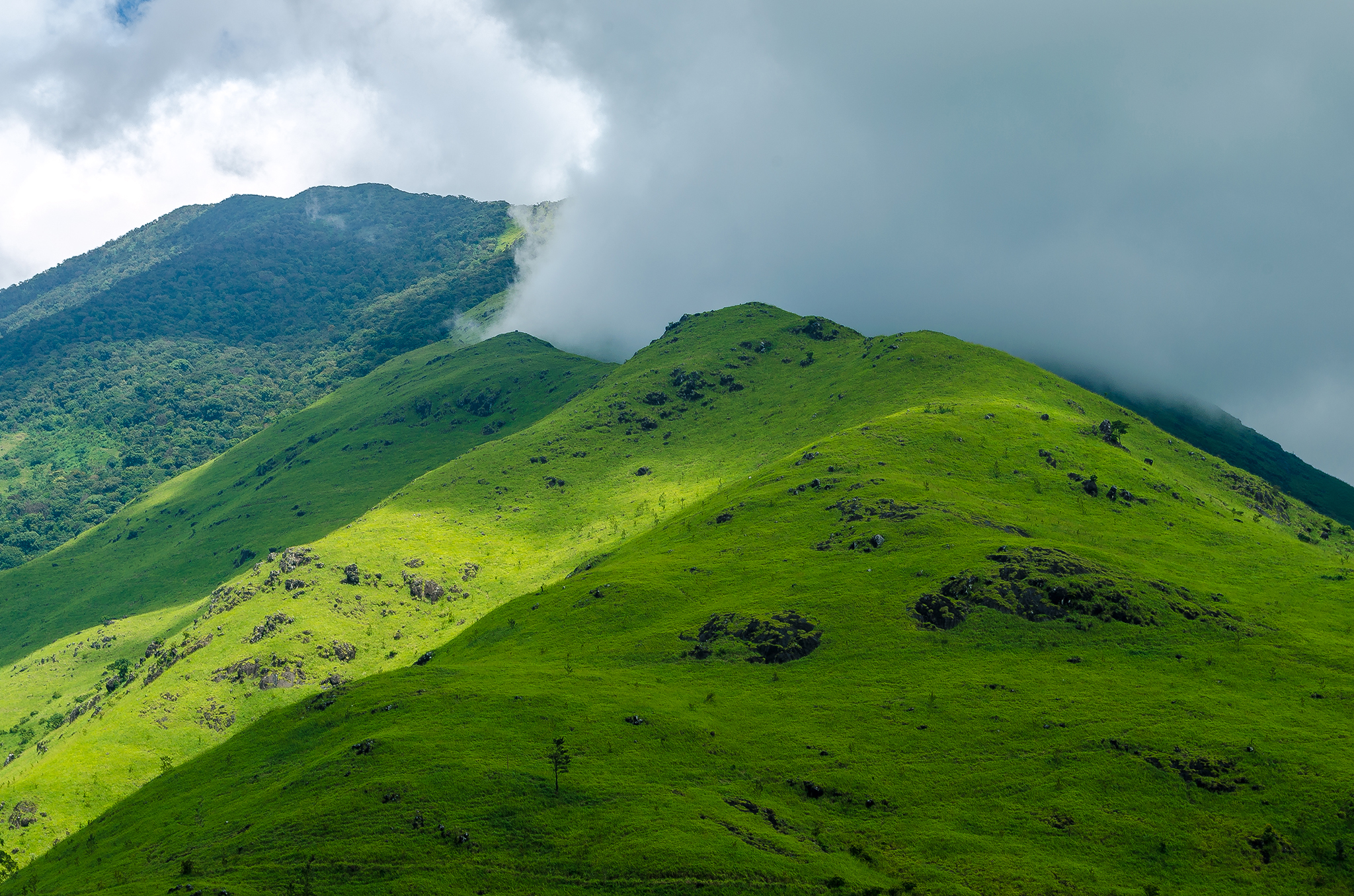
01Phantom Rock at sunrise

PHANTOM ROCK · CHEERAL

The skull-shaped boulder above the clouds

11.66°N 76.16°E · 2,600m elevation

A 2,600-million-year-old basalt formation shaped uncannily like a human skull, perched on a high meadow above Cheeral. Most tourists arrive at 11 AM when the cloud cover has burned off and the magic is gone. Get there for sunrise instead — 5:30 AM departure from Sulthan Bathery, 30-minute drive, then a 15-minute walk through grass higher than your knees. The fog rolls below you, the rock catches the first light, and you'll have it to yourself for an hour.

Best time: 5:30–7:00 AM, October–February Effort: Easy walk Entry: Free

If you only do one thing from this list, do this one. The walk is gentle, the view is staggering, and the place doesn't feel "developed" the way the bigger attractions do. Bring a light jacket — even in April, the early-morning air bites.

02Sentinel Rock waterfall (Soochipara's quieter cousin)

SENTINEL ROCK · VELLARIMALA

200 feet of falling water, almost no people

11.51°N 76.16°E · Vellarimala range

Most travellers go to Soochipara Falls and find themselves in a queue. Forty minutes south, Sentinel Rock has a similar drop, a deeper pool at the base, and a fraction of the foot traffic. The trail in is steeper and not as well-maintained — which is exactly why it's quiet. Go on a weekday morning, bring water shoes if you want to swim, and don't go after heavy rain (the rocks get treacherous).

Best time: Post-monsoon, weekdays Effort: Moderate · 30-min descent Entry: ₹50

03Pakshipathalam caves & the bird sanctuary above

"Pakshipathalam" means "abode of birds" in Malayalam — and the name is earned. A 7-kilometre trek from Thirunelli (you need a forest department permit, which your homestay can arrange) leads you to a cave system that's been a roosting site for centuries. The trek itself winds through Brahmagiri Wildlife Sanctuary; you might see Nilgiri langurs, sambar deer, and if you're lucky, a Malabar giant squirrel.

The forest department now requires registered guides for this trek — not optional. Don't try to go without one. The trail is easy to lose, the wildlife is real, and the cave entrance has a small drop you don't want to navigate alone.

04The Thirunelli temple backroads

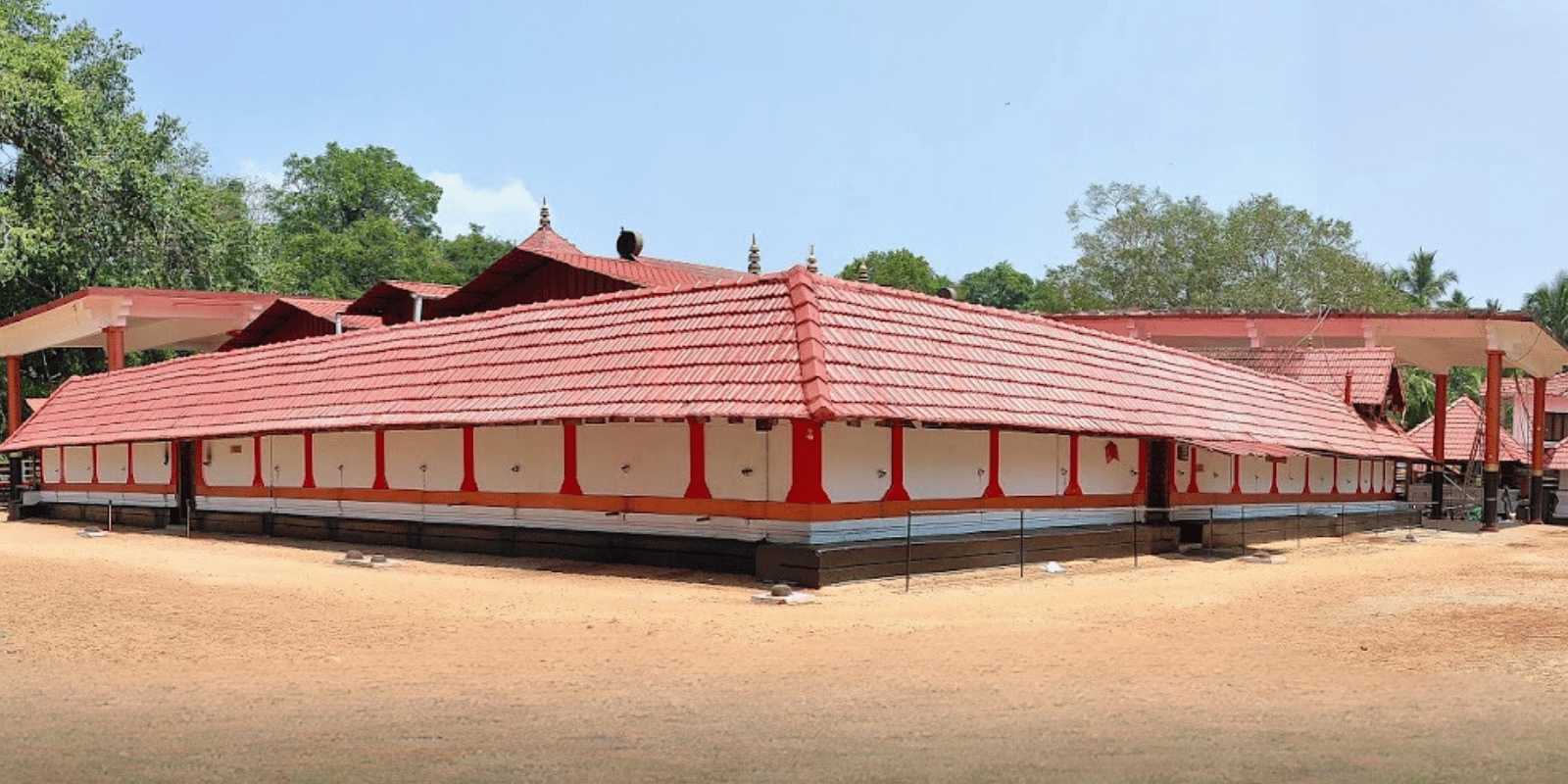
Most travellers come to Thirunelli for the Maha Vishnu Temple, take photos, and leave. They miss the best part: the road past the temple, deeper into the forest. Take it for ten kilometres until you hit Papanasini, a small mountain stream where Hindu pilgrims perform last rites. It's one of the quietest sacred spots in Kerala — bamboo arching overhead, the stream running clear, and almost nobody around outside religious days.

The drive itself is the point. Four-wheel drive helps but isn't strictly necessary in dry season.

05The 900 Kandi glass bridge

900 KANDI · VYTHIRI

Kerala's longest glass bridge — and yes, it's worth it

11.55°N 76.05°E · Lakkidi-Vythiri area

I was sceptical until I went. A 100-metre glass bridge over a forested gorge sounds like a tourist trap, and yes, it gets crowded on weekends. But on a Tuesday at 4 PM, the light through the canopy and the genuine height (you do feel it) make it memorable. Pair it with the Vythiri viewpoint a kilometre down the road for a complete afternoon.

Best time: Weekday afternoons Effort: Easy Entry: ₹400

06A nameless tea shop above the valley

This one I can't really direct you to — that's the point. Drive the road from Sulthan Bathery towards Mananthavady. Somewhere around the 18-kilometre mark, on a curve overlooking the valley, there's a tea shop with no signboard and three plastic chairs. The owner, an older man with a transistor radio, makes the best Wayanadan tea I've had — strong, sweet, with a bite of cardamom — for ₹15. He doesn't speak much English. You don't need it.

Every traveller's hidden-gem list should have one place you have to find by accident. This is mine.

07Banasura Sagar by boat at sunset

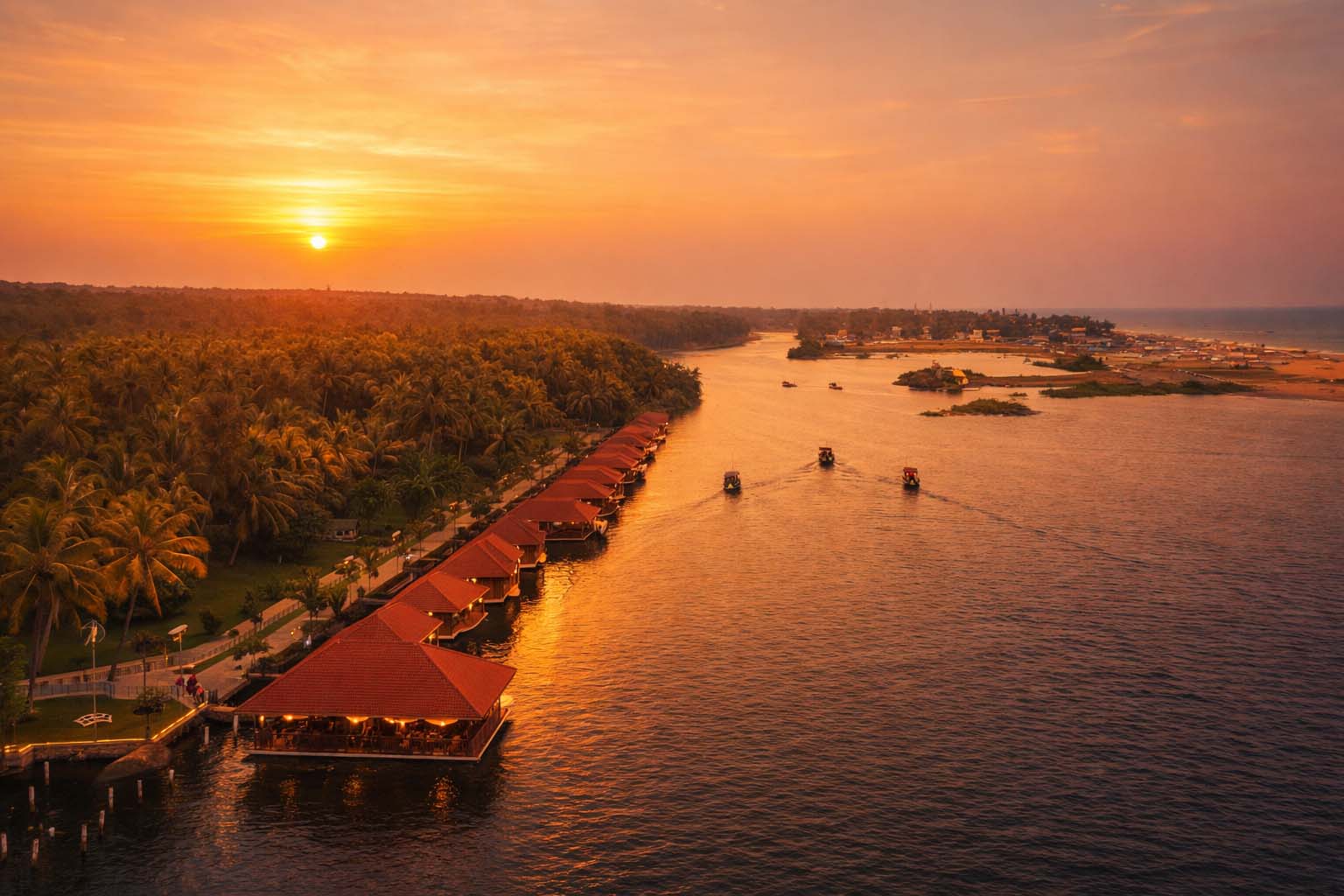
India's largest earthen dam, 685 metres of locally quarried stone, forms a reservoir whose surface goes orange at sunset. Most visitors walk the dam wall and leave. The locals' move: hire a small boat (₹500–700, ask near the entrance) and go out onto the water at 5:30 PM. The hills reflect, the parakeets cross overhead, and you understand why the kids who grew up here come back in their thirties to build homestays.

08Edakkal at twilight (yes, actually)

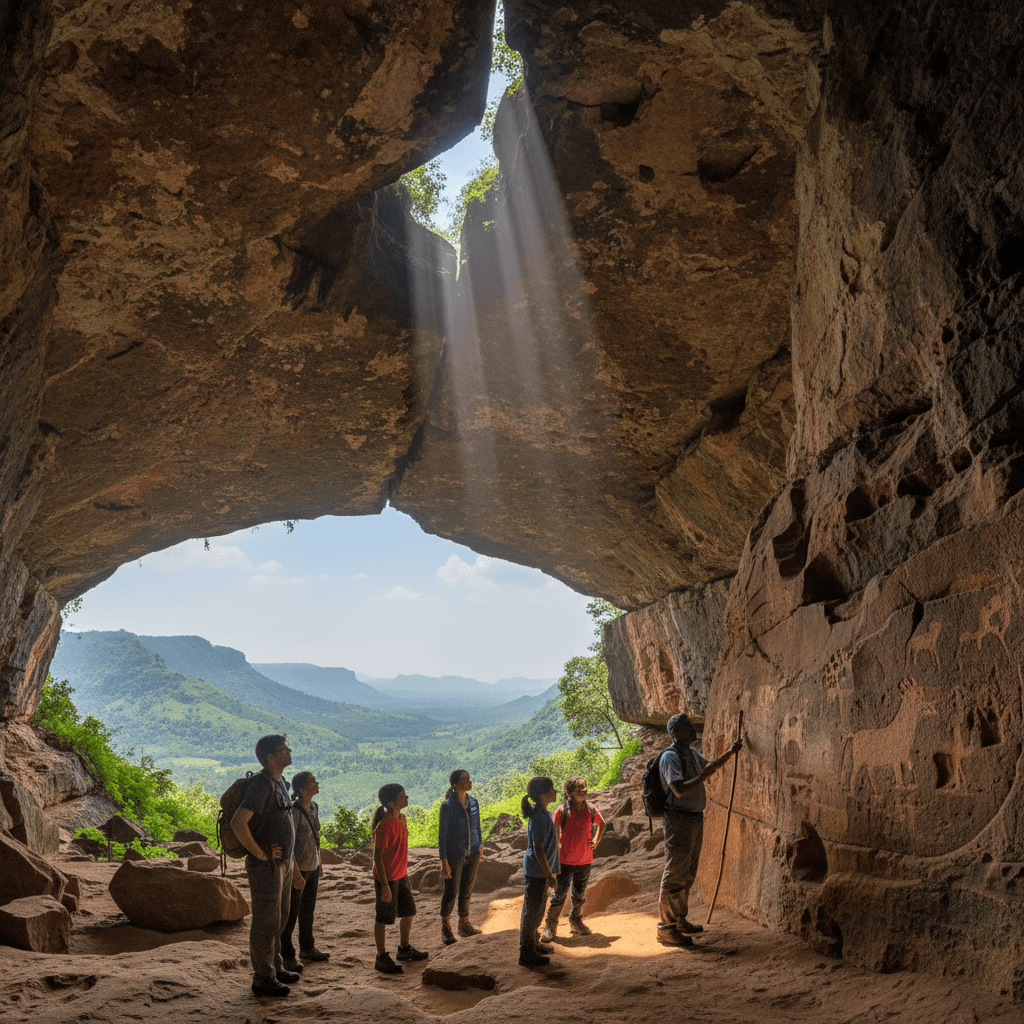
The famous Edakkal Caves with their 6,000-year-old petroglyphs are worth visiting — but not at noon when 200 people are queueing. Locals know that the caves stay open until 5 PM, and the last 30 minutes are the best. The crowds thin, the light shifts, and the petroglyphs catch the side light in a way that makes the figures clearer than any photograph can show.

The 1.5-kilometre uphill climb to reach them is real — wear actual shoes, not sandals — but the late-afternoon timing makes it cooler.

09Vaduvanchal market on Saturday morning

For travellers who want to see how Wayanad actually lives, not just how it presents itself to tourists: Vaduvanchal's weekly Saturday market starts at 6 AM and is mostly done by 10 AM. Tribal communities from the surrounding hills bring honey, spices, medicinal plants, hand-woven items. Prices are lower than anywhere else in Wayanad. You'll be one of the only outsiders there.

Bring cash. ATMs aren't reliable. And buy something — the women here are some of the most marginalised in Kerala's economy, and your ₹500 matters more here than at the resort gift shop.

10The drive through Tholpetty

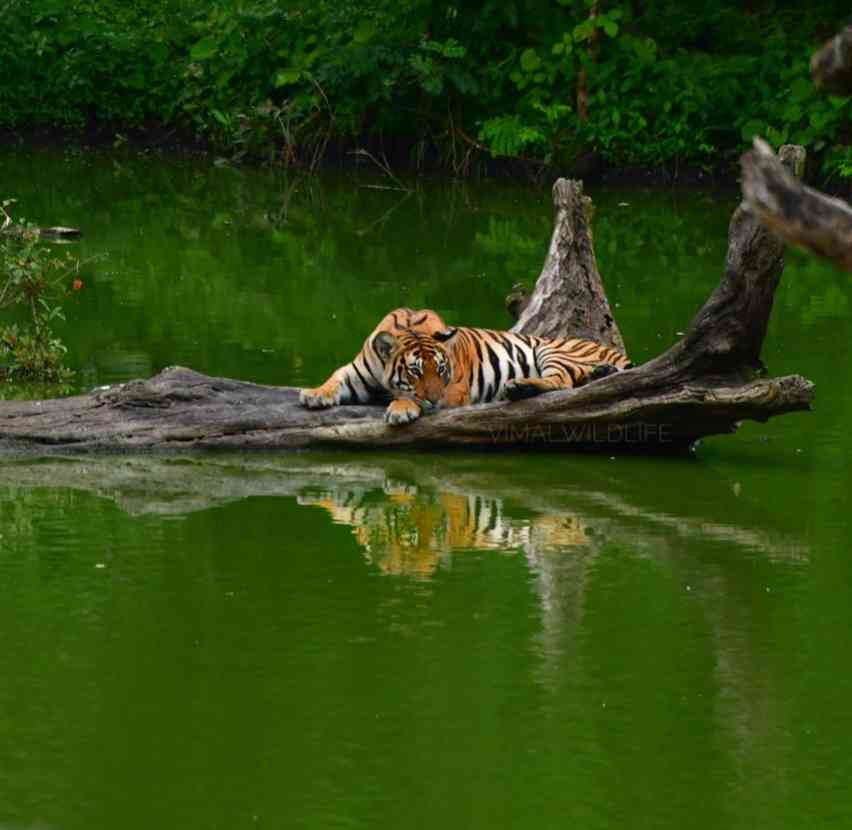
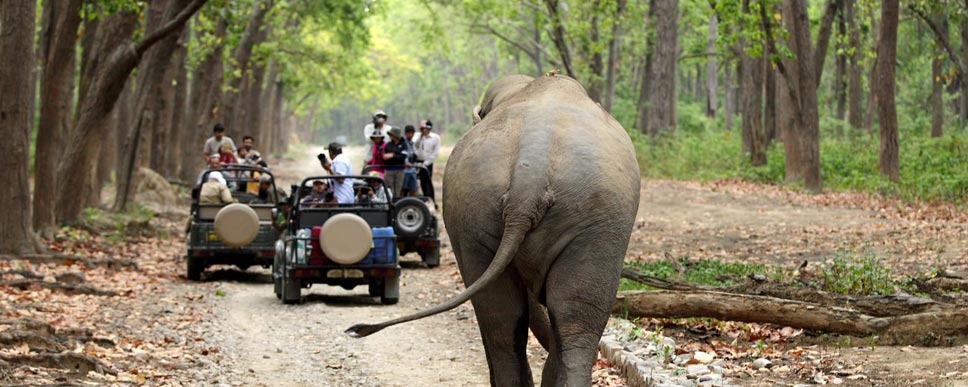
Tholpetty Wildlife Sanctuary is famous for its jeep safaris. The locals' move is different: drive yourself through the highway that bisects the sanctuary, slowly, between 6:30 AM and 8:00 AM. You don't pay for a safari. You don't see anything tigers-and-elephants dramatic. But on a quiet morning you'll see deer, langurs, peacocks, and occasionally a wild boar crossing the road. It's a reminder that Wayanad is still mostly wilderness, and you're a guest.

Drive carefully. Don't stop in restricted zones. Don't roll down windows where signs say not to. The route is well-marked and you'll know.

How to plan a 3-day Wayanad trip around these

If you have three days, here's a workable structure:

Day 1 — North Wayanad

  • Phantom Rock for sunrise (#01)
  • Breakfast at the nameless tea shop on the way back (#06)
  • Edakkal at twilight (#08)

Day 2 — The wilderness day

  • Tholpetty drive at dawn (#10)
  • Pakshipathalam trek (#03) — book the guide a day ahead
  • Banasura Sagar at sunset (#07)

Day 3 — Quieter places

  • Vaduvanchal market if it's a Saturday (#09)
  • Sentinel Rock waterfall (#02)
  • Thirunelli backroads (#04) on the way out

The 900 Kandi bridge (#05) is best as an evening detour from Day 2 if you finish Pakshipathalam by 3 PM. You can drop this whole plan straight into RutMe's trip planner and adjust it from there.

Wayanad rewards travellers who take it slowly. Pick four or five of these. Skip the rest. You'll come back next year for the others. — A homestay owner in Vythiri, who has been telling guests this for fifteen years

Frequently asked questions

What's the best time to visit Wayanad for these places?

October through February. Post-monsoon greenery without the rain hazards. Avoid June–August unless you specifically want to see waterfalls at full force — the mountain roads get genuinely dangerous.

Do I need a 4WD vehicle?

For most of these, no — a regular sedan handles 8 of the 10 fine. Pakshipathalam (you're hiking anyway) and Thirunelli backroads benefit from higher ground clearance, but it's not strictly required in dry season.

Are these places safe for solo travellers?

Wayanad is generally safe, but the wilderness areas (Tholpetty, Pakshipathalam, Sentinel Rock) shouldn't be done solo. Use a registered guide or join a small group. RutMe's TrailGuard is built specifically for tracking treks like these.

How do I get to Wayanad from Bangalore?

Six to seven hours by road via Mysore–Gundlupet–Sulthan Bathery. The route through Bandipur National Park (closed at night, 9 PM to 6 AM) is the most scenic.

What's a fair budget per person per day?

For a comfortable mid-range trip: ₹2,500–4,000 per day including a homestay (₹1,500–2,500), meals (₹600–800), and transport including fuel. Premium resorts push this above ₹8,000. Budget travellers can do it for ₹1,500.

RR
/ Written by

rutme user

Founder of RutMe. Has been travelling through Wayanad and the wider Western Ghats since 2018, slowly compiling the kind of local knowledge that makes RutMe's recommendations feel different from a generic tourist site. Based in Bengaluru, with strong opinions about Wayanadan tea.

Plan your next trip with RutMe

AI itinerary, verified local guides, offline maps for the trekking trails, and a travel diary that writes itself. Free for early users.

Plan my trip